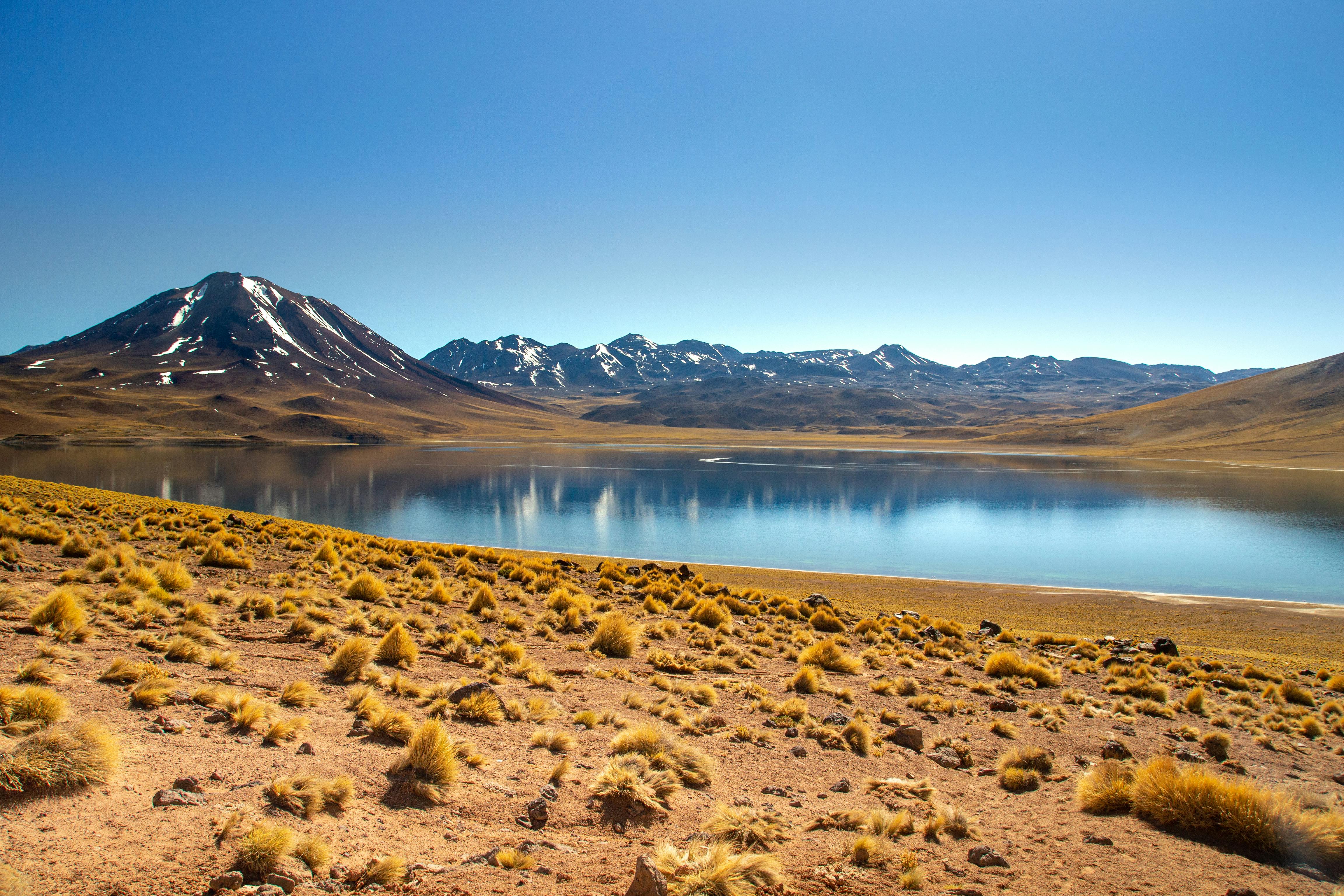
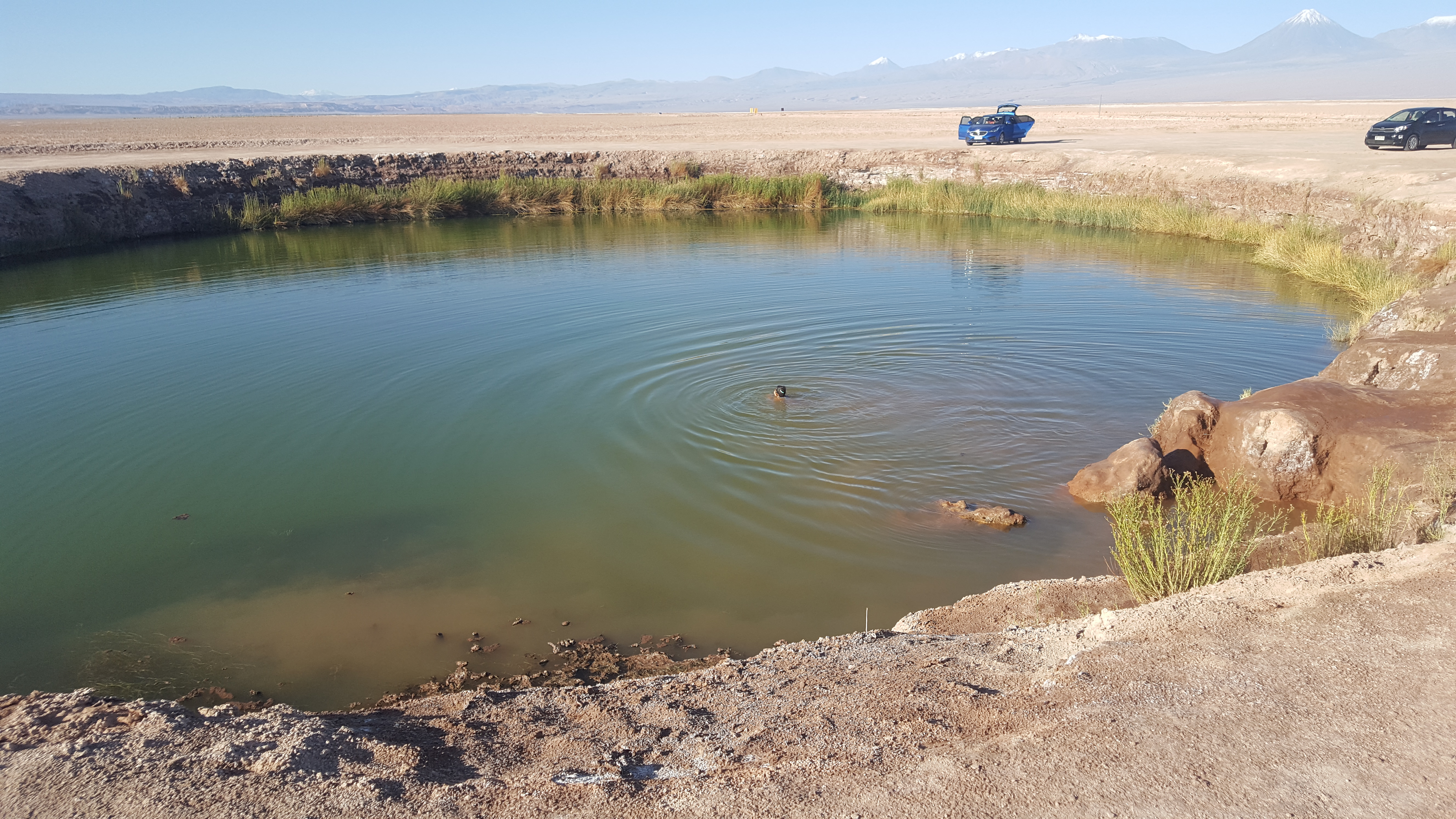
The Cejar Lagoon Tour is one of the most amazing and refreshing experiences in the Atacama Desert—a firsthand encounter with the turquoise waters and salt flats that characterize this unique region of northern Chile. Located in the heart of the Salar de Atacama, the lagoon stands out for its intense blue color and high salt concentration, which allows visitors to float naturally on its surface, creating a sensation of weightlessness that becomes one of the most memorable moments of the trip.
The excursion begins with a tour of the vast salt flat basin, where the landscape stretches out into white horizons, distant mountains, and volcanoes reflected in crystal-clear pools of water. Upon arriving at Laguna Cejar, travelers can enjoy a relaxing swim in its hypersaline waters while learning about the formation of the salt flat, the geology of the region, and the importance of this ecosystem for the Altiplano’s wildlife, especially the flamingos that inhabit the area.
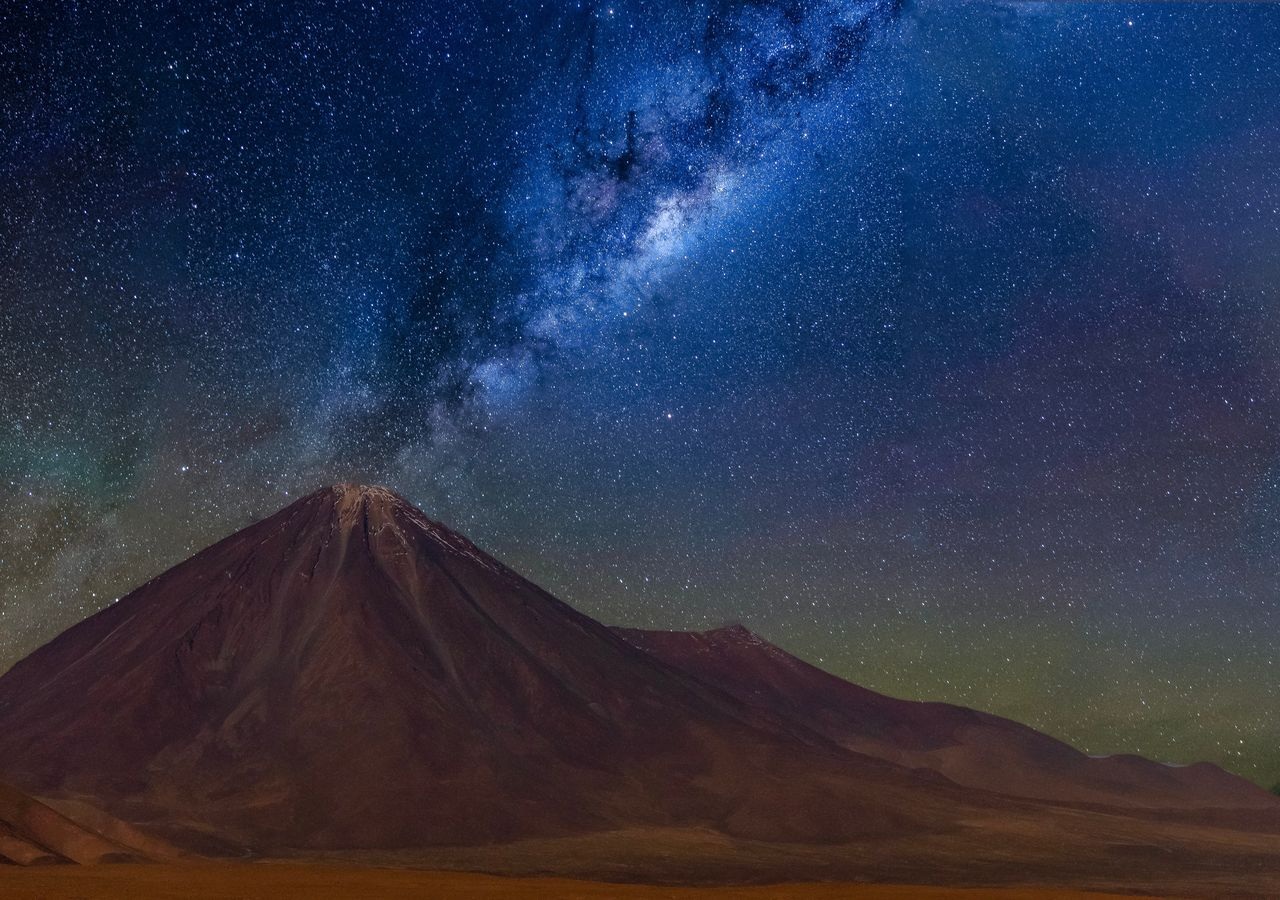
The tour continues to the Ojos del Salar, two circular freshwater pools that stand in stark contrast to the desert landscape and offer an ideal spot for photography and contemplation. Further on, the experience culminates at Laguna Tebenquiche, one of the most magical places in the Atacama, where the sunset paints the sky in shades of pink, orange, and gold that are reflected on the lagoon’s calm surface. This final moment is perfect for enjoying the silence of the desert and capturing unforgettable images.
Throughout the tour, local guides share their knowledge of the salt flat’s natural history, Atacameño culture, and the area’s biodiversity, enriching the experience with stories that connect visitors with the essence of the region. The Laguna Cejar Tour combines relaxation, nature, and dreamlike landscapes, making it a must-do activity for those who want to experience the magic of the Atacama Desert from a unique perspective.
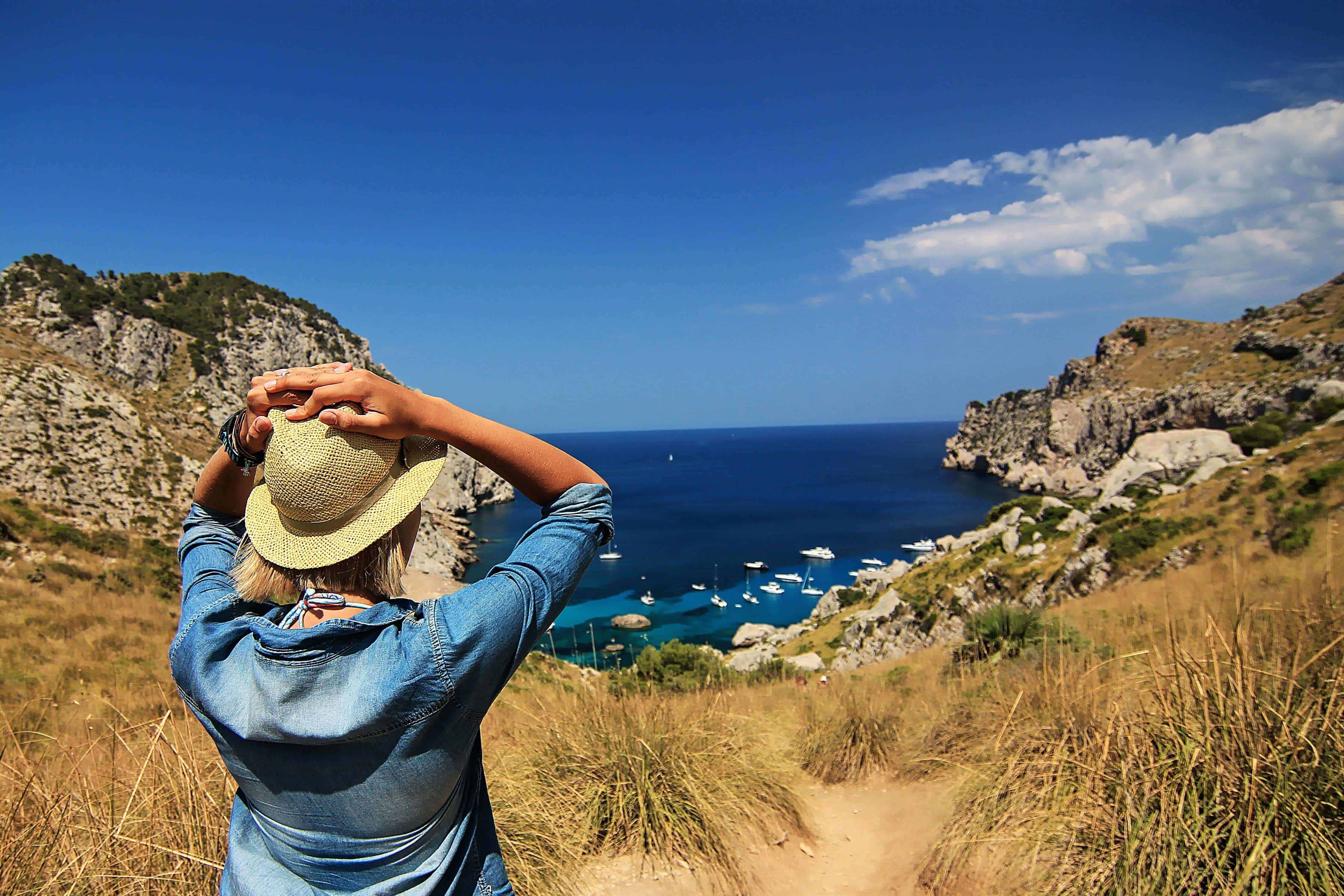
Travel is the movement of people between relatively distant geographical locations; it can involve travel on foot, by bicycle, by car, by train, by boat, by bus, by plane, or by other means, with or without luggage, and can be one-way or round-trip. Travel can also include relatively short stays between successive trips.
The origin of the word "travel" is most likely lost to history. The term "travel" may derive from the Old French word *travail*, which means “work.” According to the Merriam-Webster dictionary, the first known use of the word “travel” was in the 14th century.
It also states that the word comes from Middle English *travailen*, *travelen* (meaning to torment, labor, strive, or journey) and, earlier, from Old French *travailler* (meaning to work strenuously or toil). In English, we still occasionally use the word “travail,” which means struggle. According to Simon Winchester in his book *The Best Travelers’ Tales* (2004), the words “travel” and “travail” both share an even more ancient root: a Roman instrument of torture called the tripalium (in Latin, it means “three stakes,” as in to impale).