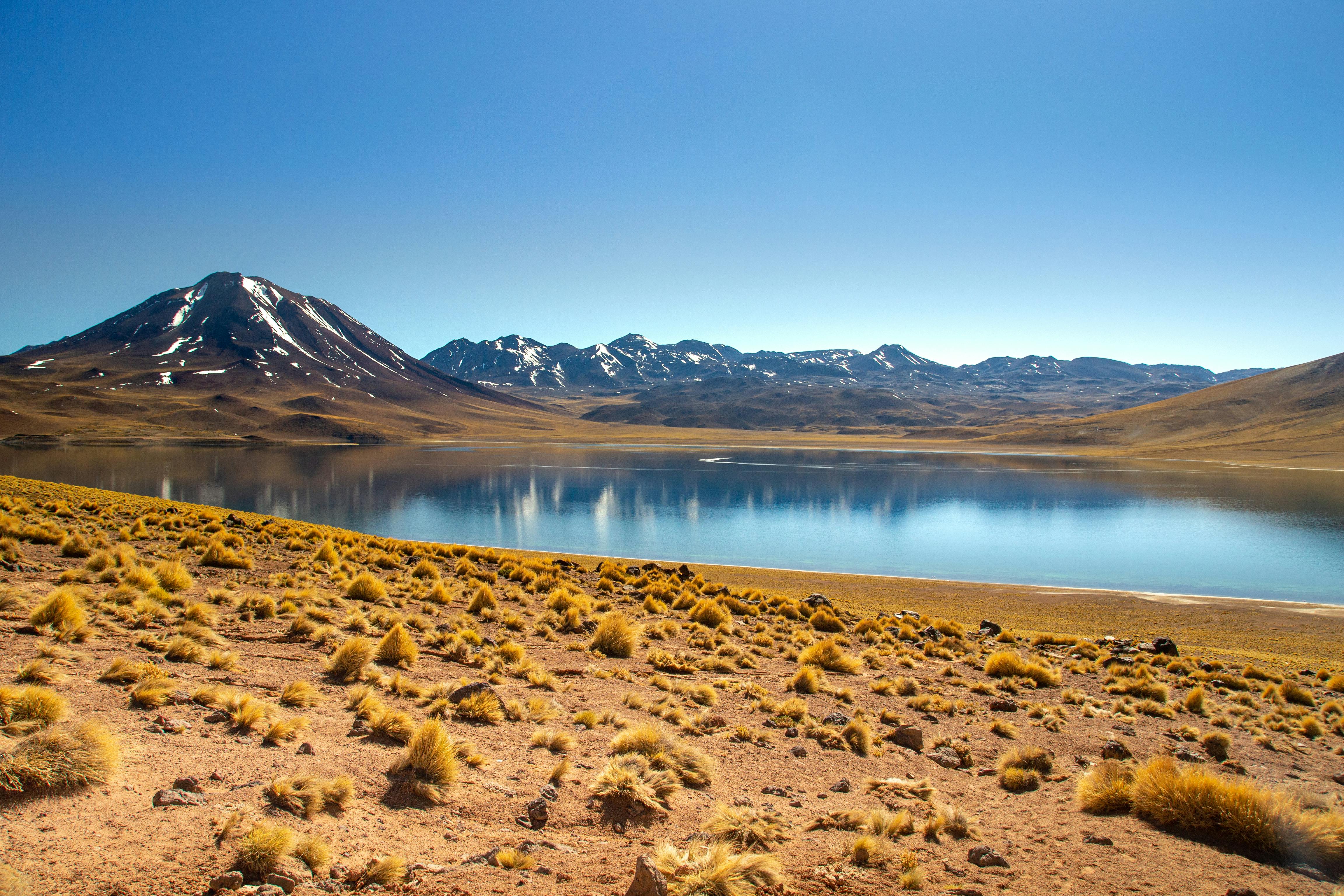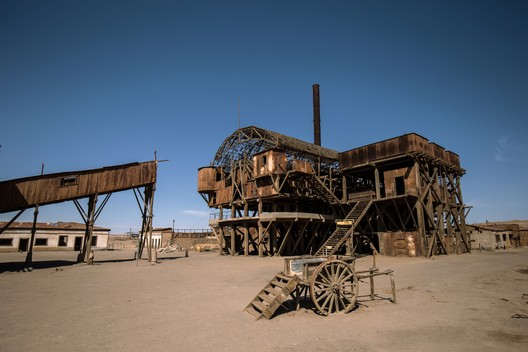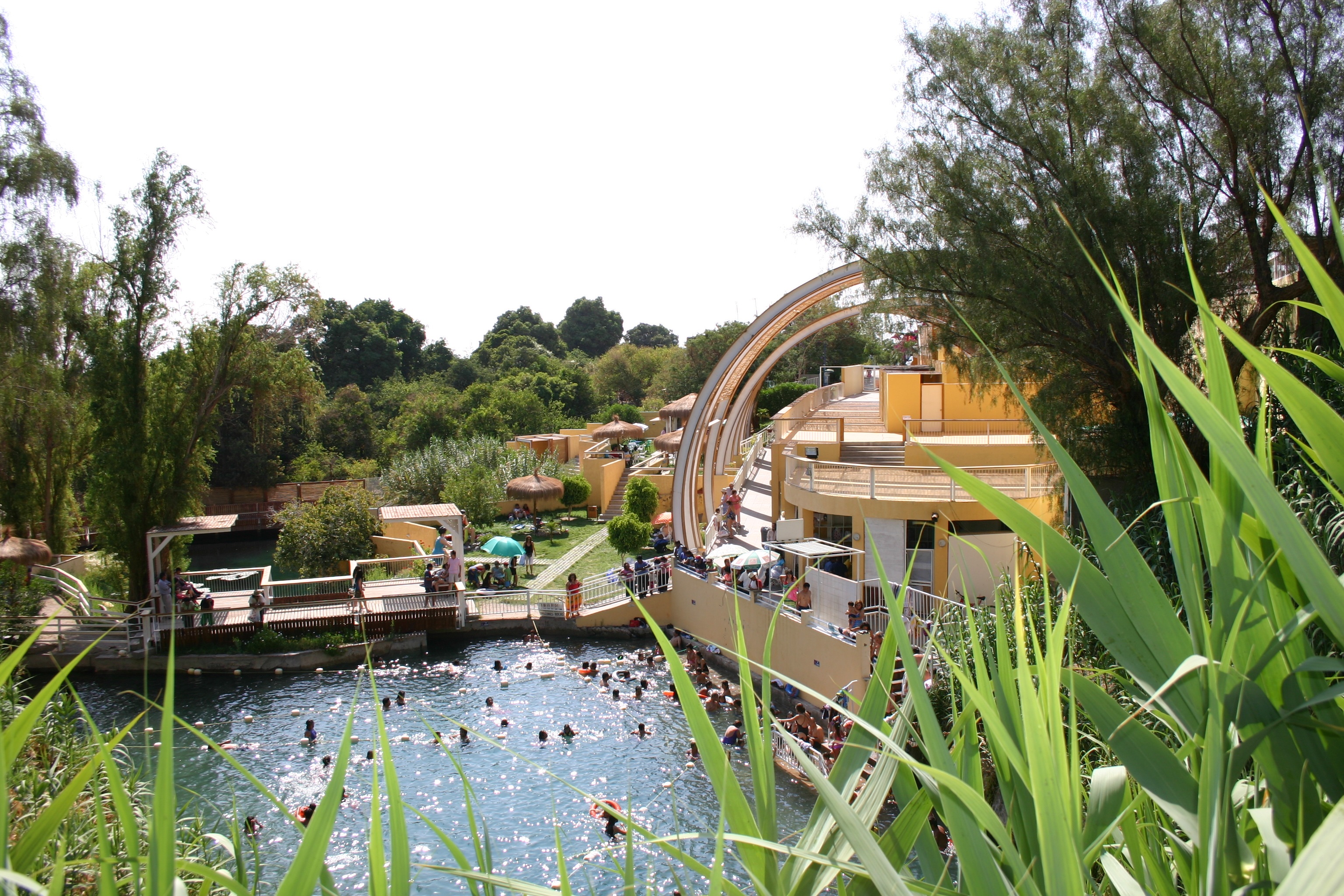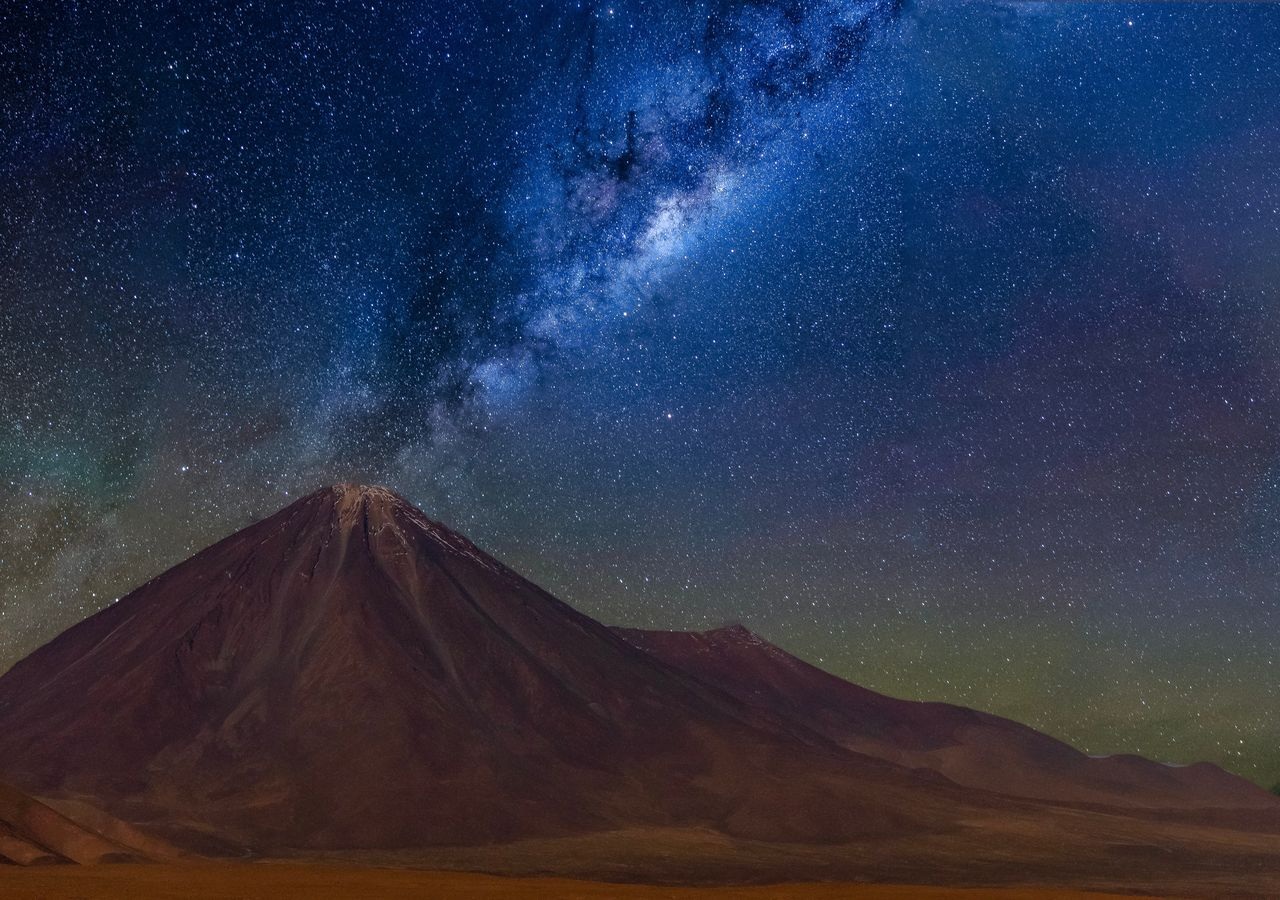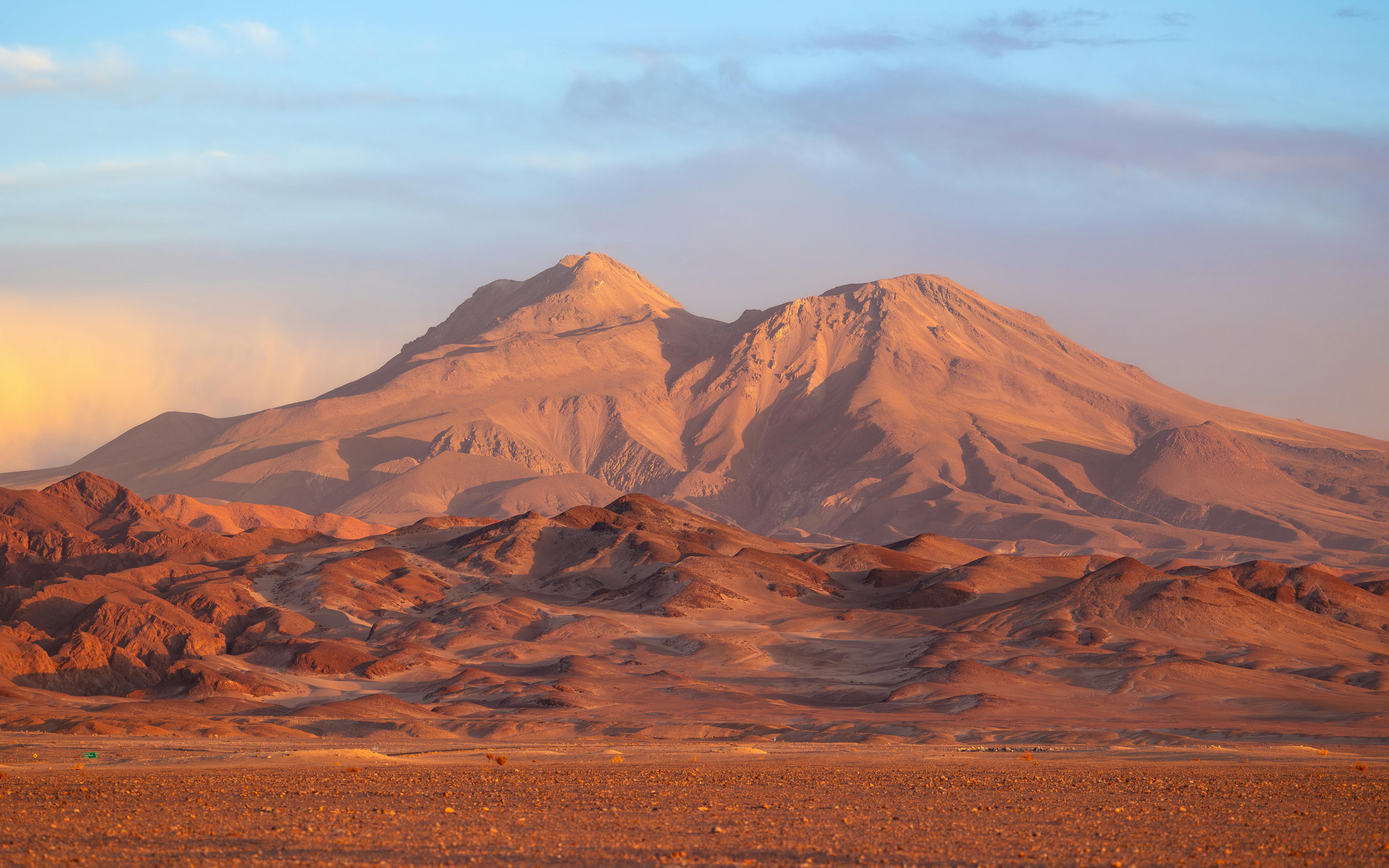
The Tatio Geysers Tour is one of the most breathtaking experiences in northern Chile—a firsthand encounter with the Earth’s living force in one of the highest geothermal fields in the world. The adventure begins at dawn, when the sky is still dark and the stars light the way toward the Andes mountain range. As the vehicle climbs, the landscape transforms into an Altiplano scene of volcanoes, mountains, and vast plains that herald the arrival at this unique natural phenomenon.
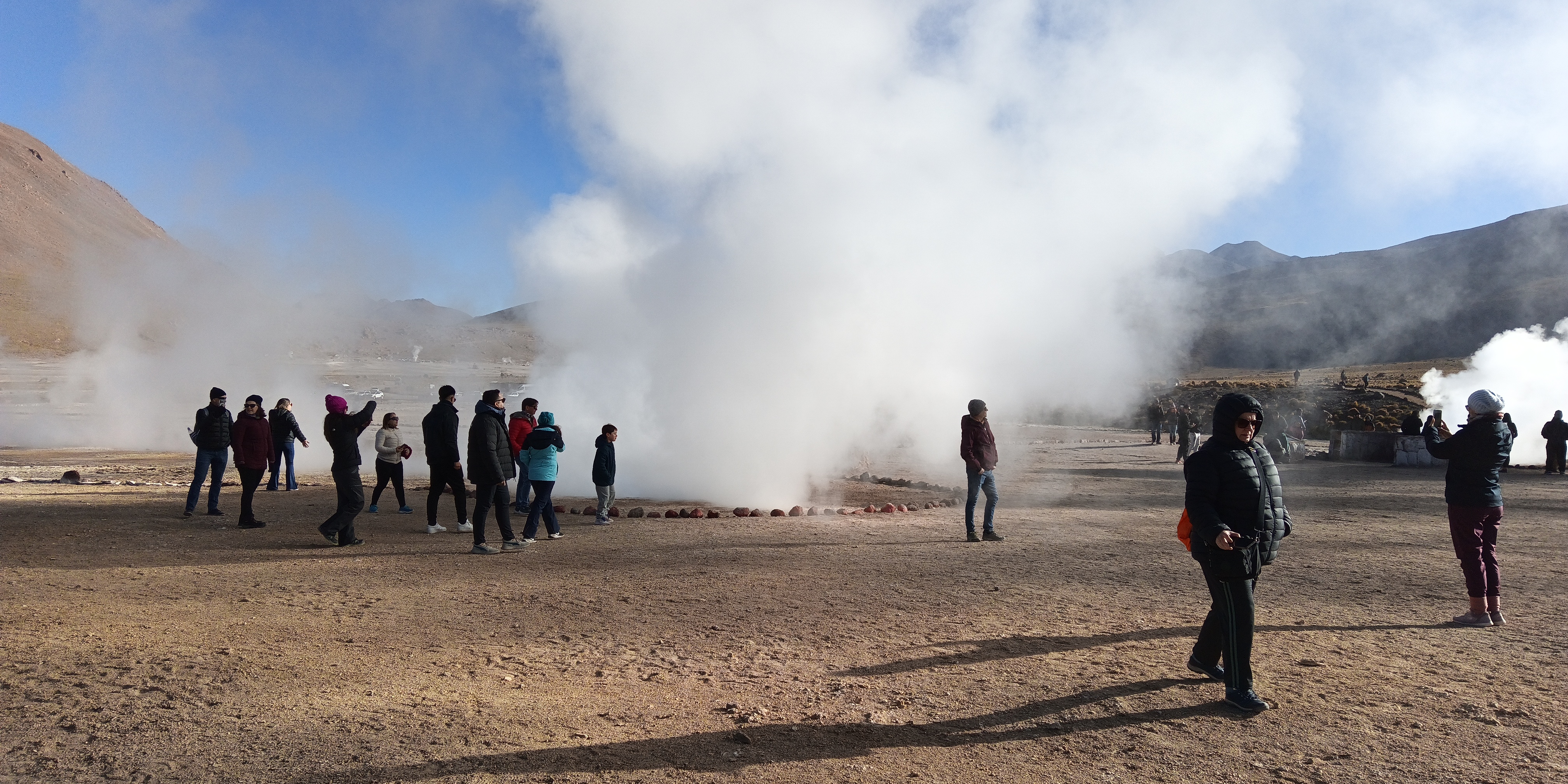
Upon arriving at the Tatio geothermal field, at an altitude of more than 4,300 meters, travelers are greeted by an unforgettable spectacle: columns of steam rising from the frozen ground, jets of boiling water gushing forcefully, and fumaroles rising several meters into the air. The contrast between the morning chill and the geothermal energy creates a mystical atmosphere, ideal for observing and photographing this phenomenon at its most spectacular, right at sunrise.
During the tour, local guides share their knowledge about the area’s geology, the volcanic activity that gives rise to the geysers, and the cultural and natural significance of this region for Andean communities. After exploring the geothermal field, the tour continues to wetland areas where visitors can observe Altiplano wildlife such as vicuñas, vizcachas, and various species of birds.
The return trip includes a stop in the picturesque village of Machuca, a small Atacameño community known for its traditional architecture, historic church, and local products. This stop allows visitors to connect with life on the Altiplano and appreciate the culture that has endured for generations in one of the most extreme environments on the planet.
The Tatio Geysers Tour combines nature, science, culture, and adventure in a single trip, offering an unforgettable experience for those who wish to discover the majesty of the Altiplano and the profound energy that lies beneath the surface of the Atacama Desert.
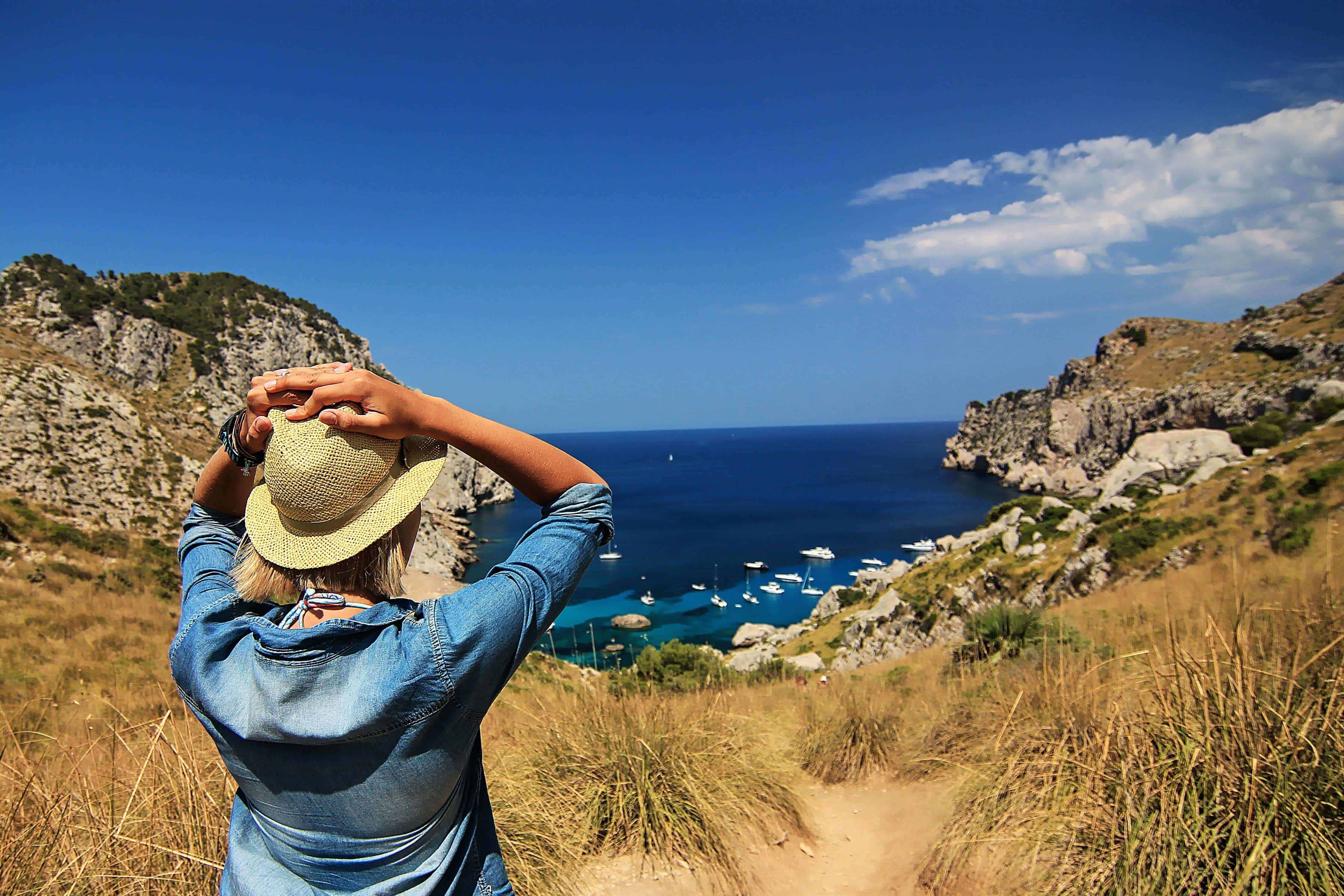
Travel is the movement of people between relatively distant geographical locations; it can involve travel on foot, by bicycle, by car, by train, by boat, by bus, by plane, or by other means, with or without luggage, and can be one-way or round-trip. Travel can also include relatively short stays between successive trips.
The origin of the word "travel" is most likely lost to history. The term "travel" may derive from the Old French word *travail*, which means “work.” According to the Merriam-Webster dictionary, the first known use of the word “travel” was in the 14th century.
It also states that the word comes from Middle English *travailen*, *travelen* (meaning to torment, labor, strive, or journey) and, earlier, from Old French *travailler* (meaning to work strenuously or toil). In English, we still occasionally use the word “travail,” which means struggle. According to Simon Winchester in his book *The Best Travelers’ Tales* (2004), the words “travel” and “travail” both share an even more ancient root: a Roman instrument of torture called the tripalium (in Latin, it means “three stakes,” as in to impale).